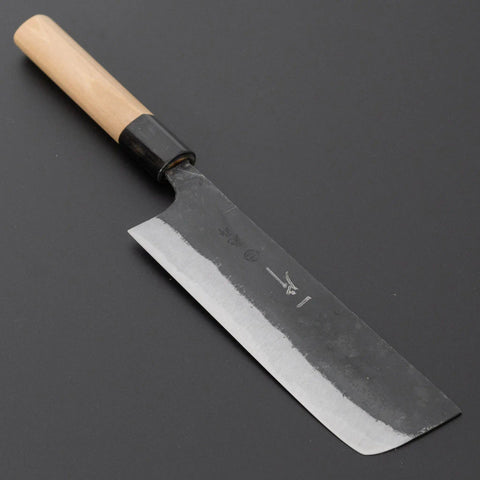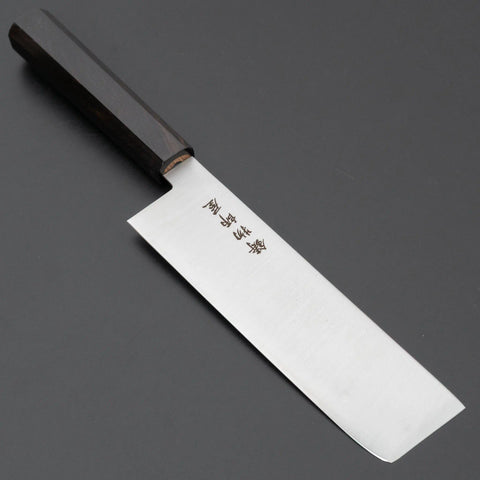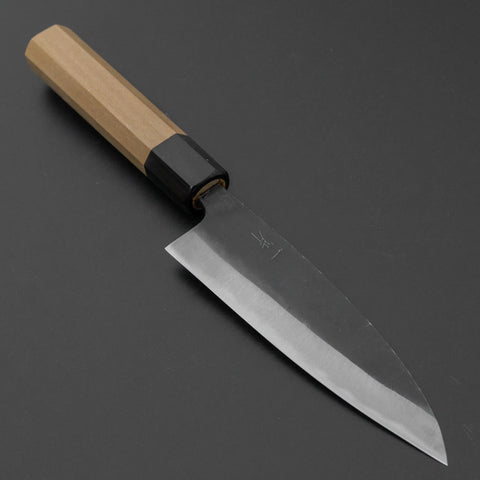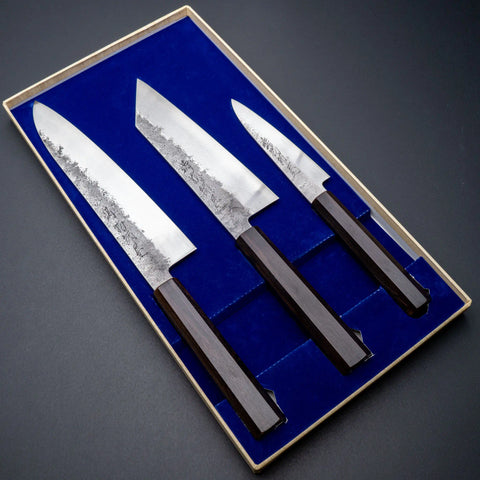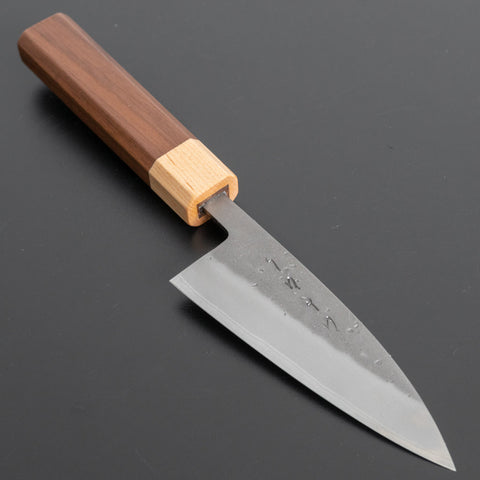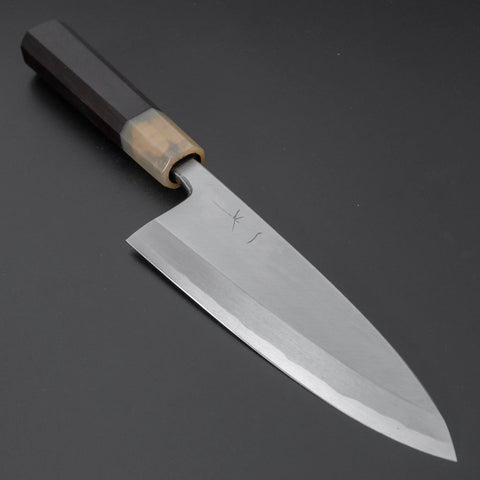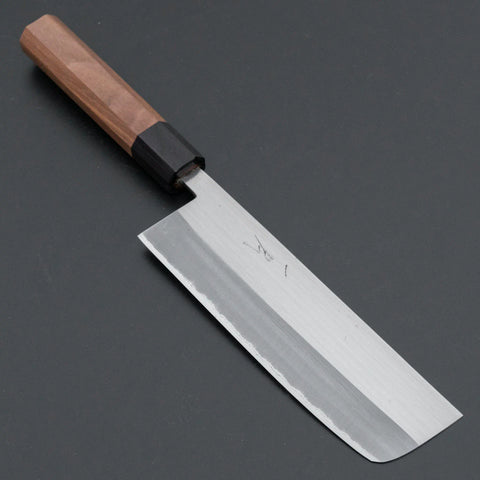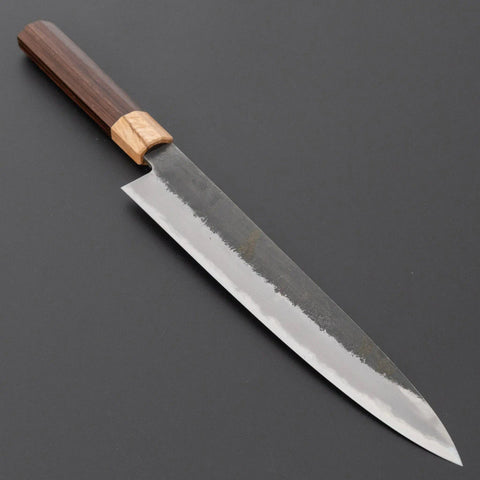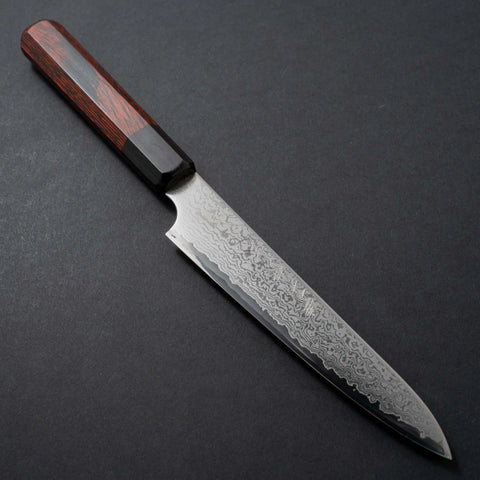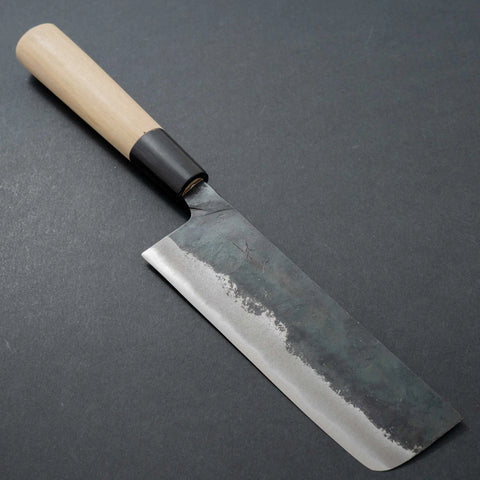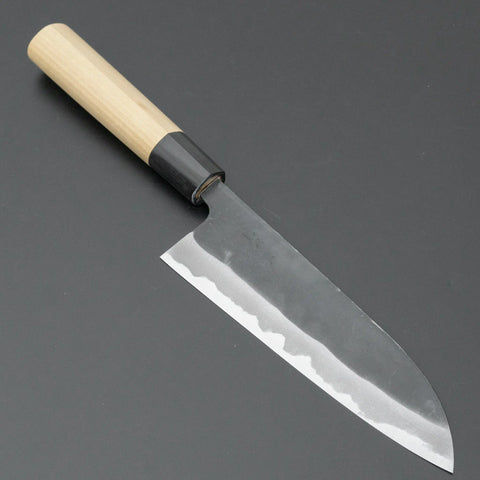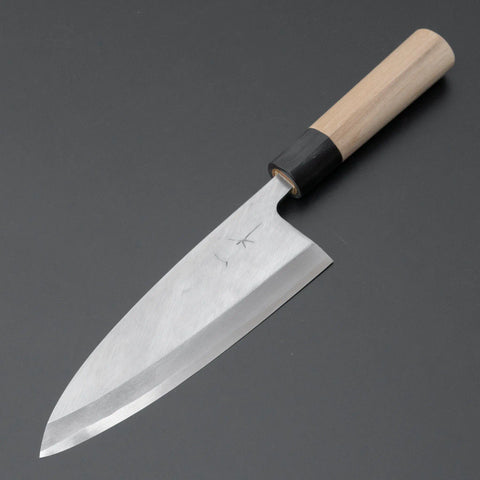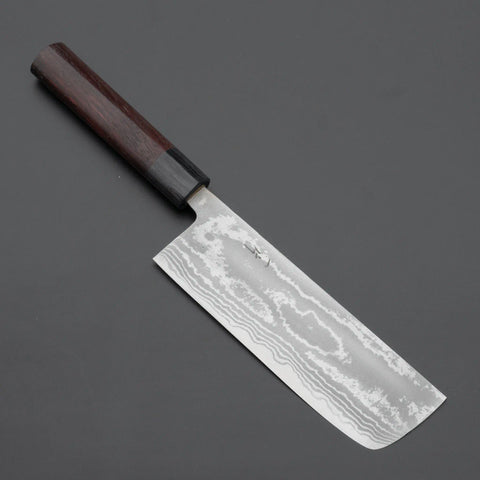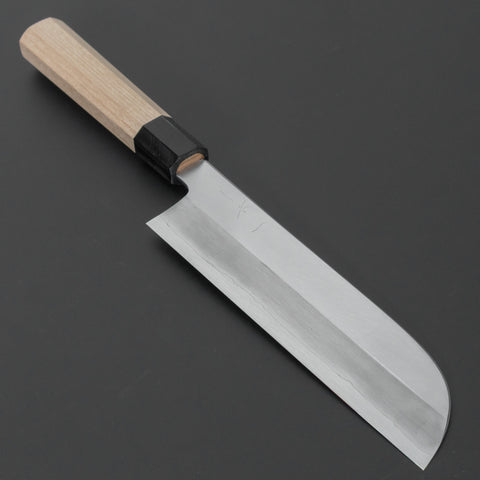

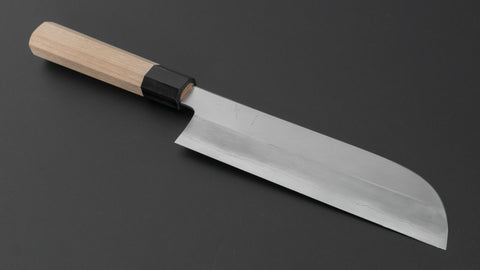


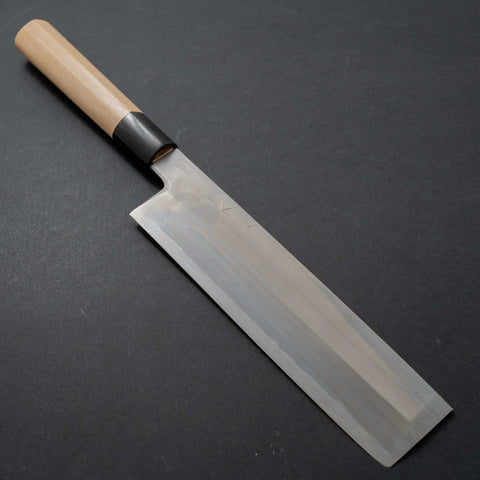
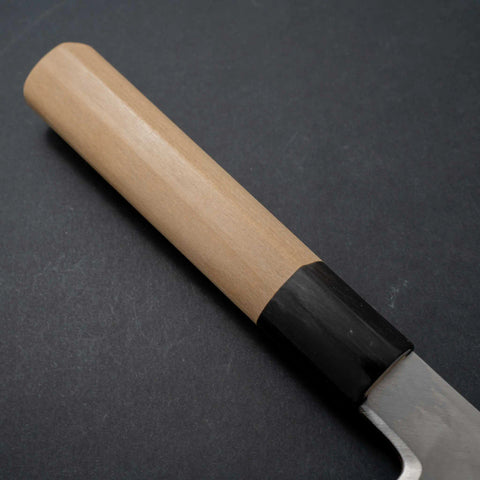
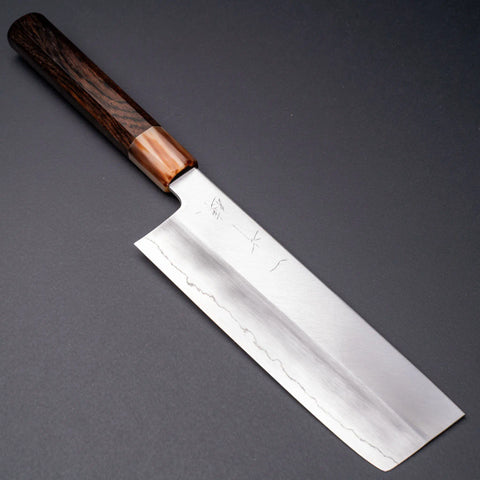
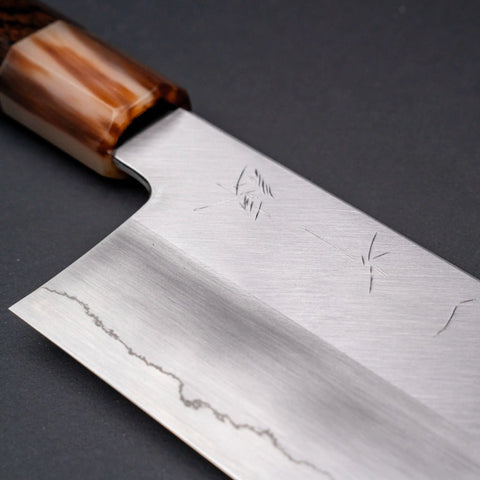
Hitohira Nakagawa Mosuke Silver #3 Kamagata Usuba


Description
Description
Detailed Spec
Brand: Hitohira
Smith: Nakagawa Blacksmith
Sharpener: Mosuke
Profile: Kamagata Usuba
Size: 195mm
Steel Type: Stainless Steel
Steel: Yasuki Silver #3 (Ginsan), Soft Stainless Clad
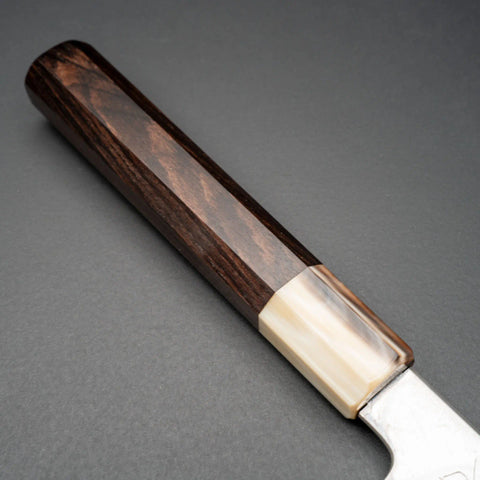
Handle: Ho Wood & Buffalo Horn Ferrule Octagonal
Total Length: 343mm
Edge Length: 185mm
Handle to Tip Length: 203mm
Blade Height: 48mm
Thickness: 3.7mm
Handle Length: 140mm
Weight: 212g
Hand Orientation: Right-Handed
Hardness: 61±1HRC
What does Usuba mean
What does Usuba mean
More about Stainless steel
More about Stainless steel
Care & maintenance
Care & maintenance


Usuba · Vegetable knife
Hitohira Nakagawa Mosuke Silver #3 Kamagata Usuba
Stainless steel · Ho Wood Handle · 195 mm


Santoku · Allround knife
Hitohira Kikuchiyo Rou VG10 Hyokyo Damascus Santoku Ebony Shop
Stainless steel · Ebony Shop
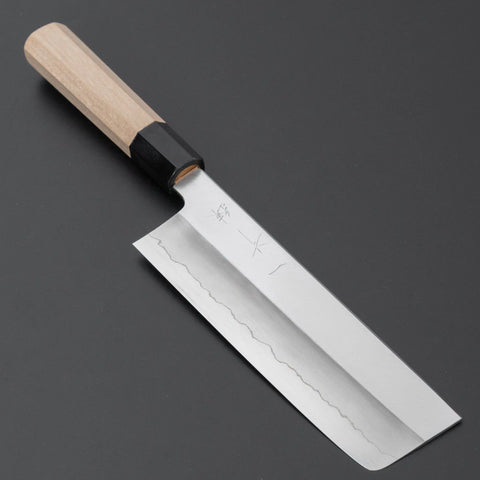


Nakiri · Vegetable knife
Hitohira Kikuchiyo Ren Silver #3 Nakiri
Stainless steel · Ho Wood Handle · 180 mm


Usuba · Vegetable knife
Hitohira Kikuchiyo Manzo White #3 Usuba
Carbon steel · Ho Wood Handle · 210 mm
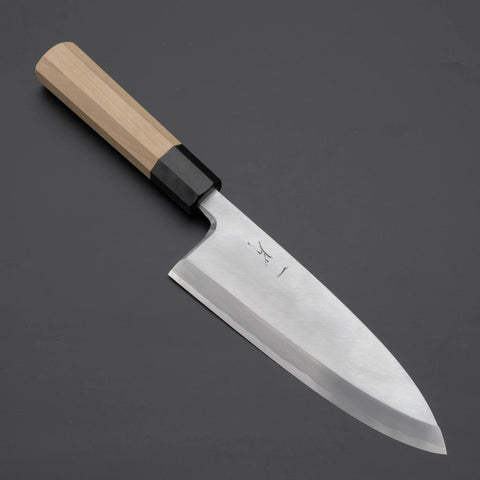


Deba · Fish knife
Hitohira Kikuchiyo Manzo Blue #2 Deba
Carbon steel · Ho Wood Handle · 180 mm
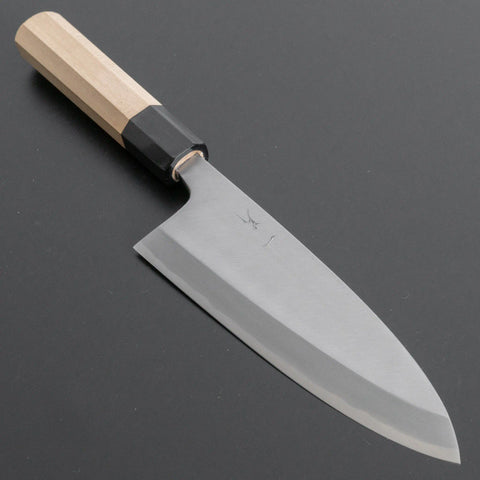

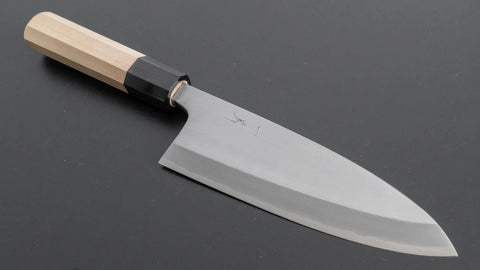

Deba · Fish knife
Hitohira Kikuchiyo Manzo Blue #2 Deba
Carbon steel · Ho Wood Handle · 165 mm
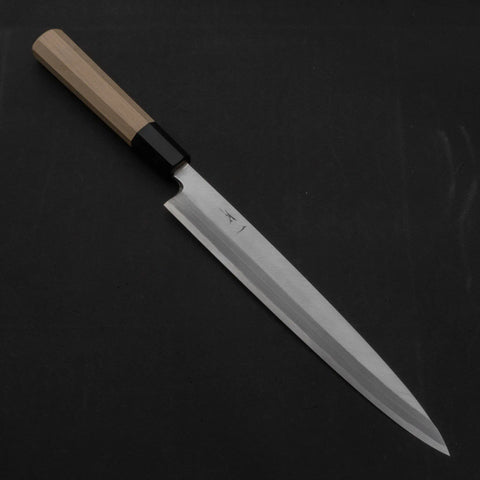

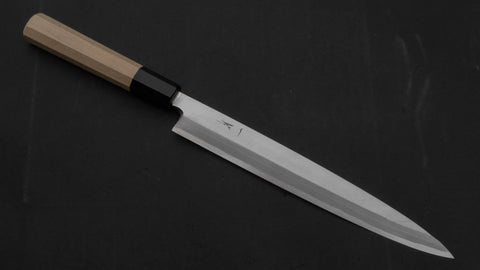

Yanagiba · Sashimi Knife
Hitohira Kikuchiyo Manzo Blue #2 Yanagiba
Carbon steel · Ho Wood Handle · 240 mm
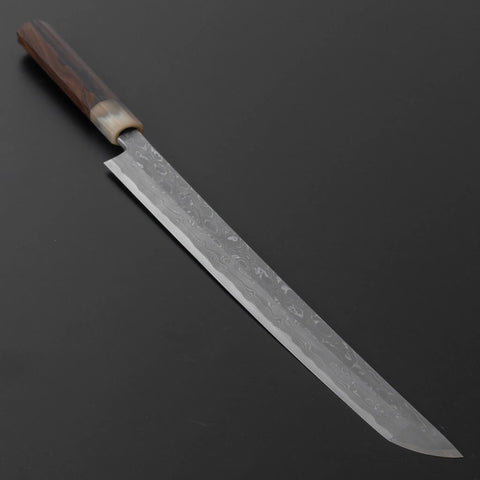

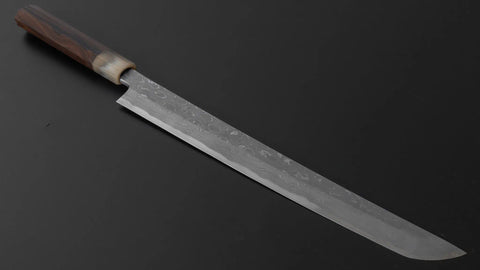

Yanagi Sakimaru · Sashimi Knife
Hitohira Kikuchiyo Mosuke Kikko Blue #1 Yanagi Sakimaru
Carbon steel · Ziricote Shop · 300 mm
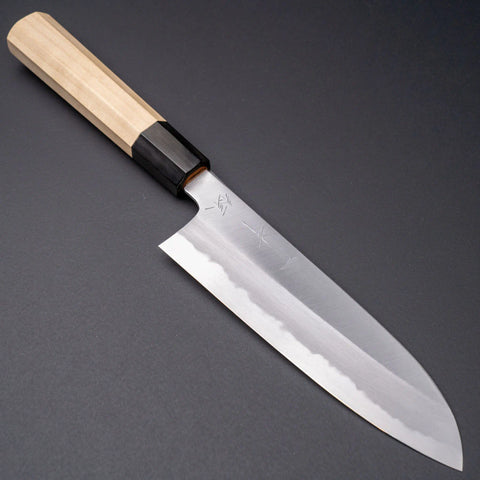

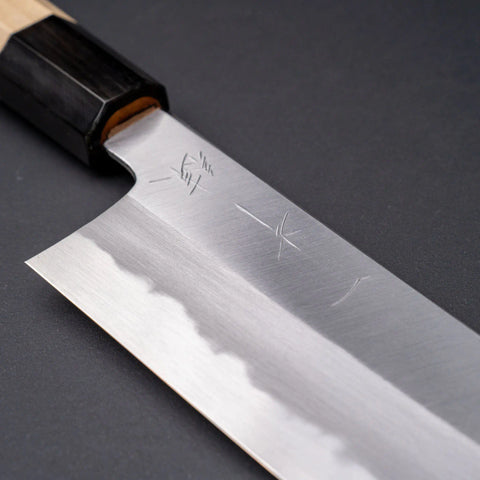

Santoku · Allround knife
Hitohira Kikuchiyo Ren Blue #2 Santoku
Carbon steel · Ho Wood Handle · 180 mm


Nakiri · Vegetable knife
Hitohira Kikuchiyo Ren Silver #3 Nakiri
Stainless steel · Ebony Shop · 180 mm



Petty · Universal knife
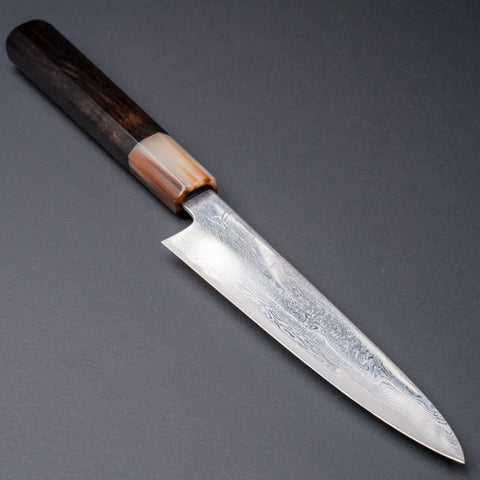
Hitohira Kikuchiyo Rou VG10 Hyokyo Damascus Petty
Stainless steel · Ebony Shop · 150 mm


Gyuto · Chef's knife
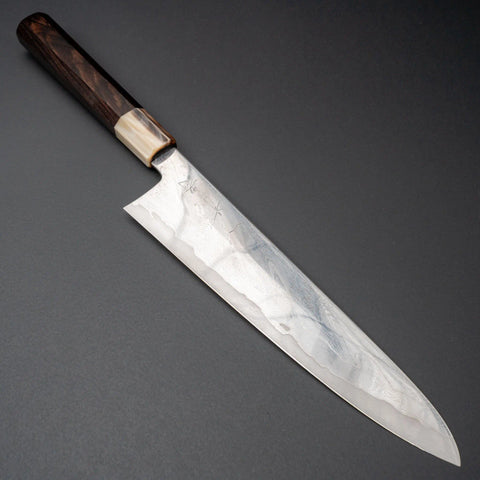
Hitohira Nakagawa Rou VG10 Hyokyo Damascus Gyuto
Stainless steel · Ebony Shop · 240 mm